
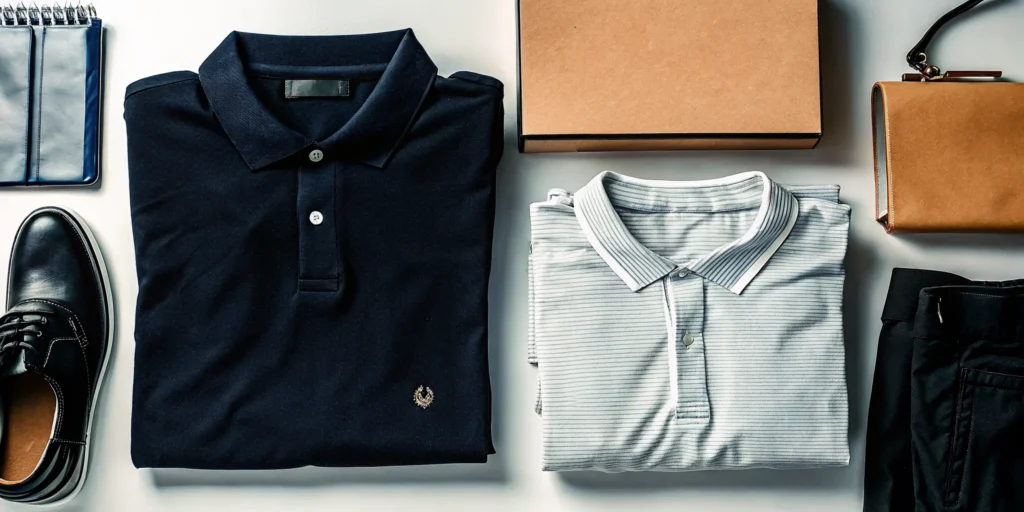
Embroidery vs screen printing is a decision between a dimensional stitched finish and an ink-based graphic applied to fabric. Embroidery typically suits structured polos, jackets, hats, and premium uniforms. Screen printing typically suits T-shirts, hoodies, and larger graphics. Brand Vessel helps corporate teams choose by evaluating the garment, artwork, wear cycle, quantity, and brand impression together.
Start your custom apparel project with Brand Vessel
For marketing, HR, and procurement teams, the real question is not which technique wins in every situation. It is which method supports the program objective without creating avoidable compromises in comfort, consistency, production, or perceived quality. Use this guide to build a decoration brief your stakeholders and merchandise partner can act on.
Embroidery vs screen printing at a glance
Embroidery converts artwork into a stitch file and sews thread through a garment. Screen printing separates artwork by color, transfers ink through mesh screens, and cures the print. That production difference affects nearly every buying consideration, from the best garment and practical artwork size to setup requirements and the finish employees receive.
| Decision factor | Embroidery | Screen printing |
|---|---|---|
| Visual finish | Dimensional, textured, polished | Flat, graphic, versatile |
| Typical garment fit | Polos, hats, jackets, vests, bags | T-shirts, sweatshirts, hoodies, totes |
| Artwork sweet spot | Compact logos with clear shapes | Large graphics, fine lines, multiple effects |
| Primary production driver | Stitch count, size, and complexity | Color separations, screens, and quantity |
| Wearer experience | Premium texture with added structure | Flexible print with broad placement options |
| Common program use | Uniforms, leadership apparel, premium gifts | Events, campaigns, employee tees, broad distribution |
These are decision patterns, not rigid rules. A lightweight performance polo may need a low-stitch design to avoid puckering. A premium sweatshirt can carry an excellent screen print when artwork and ink are specified well. The strongest programs start with the use case and validate the decoration on the selected garment before production.
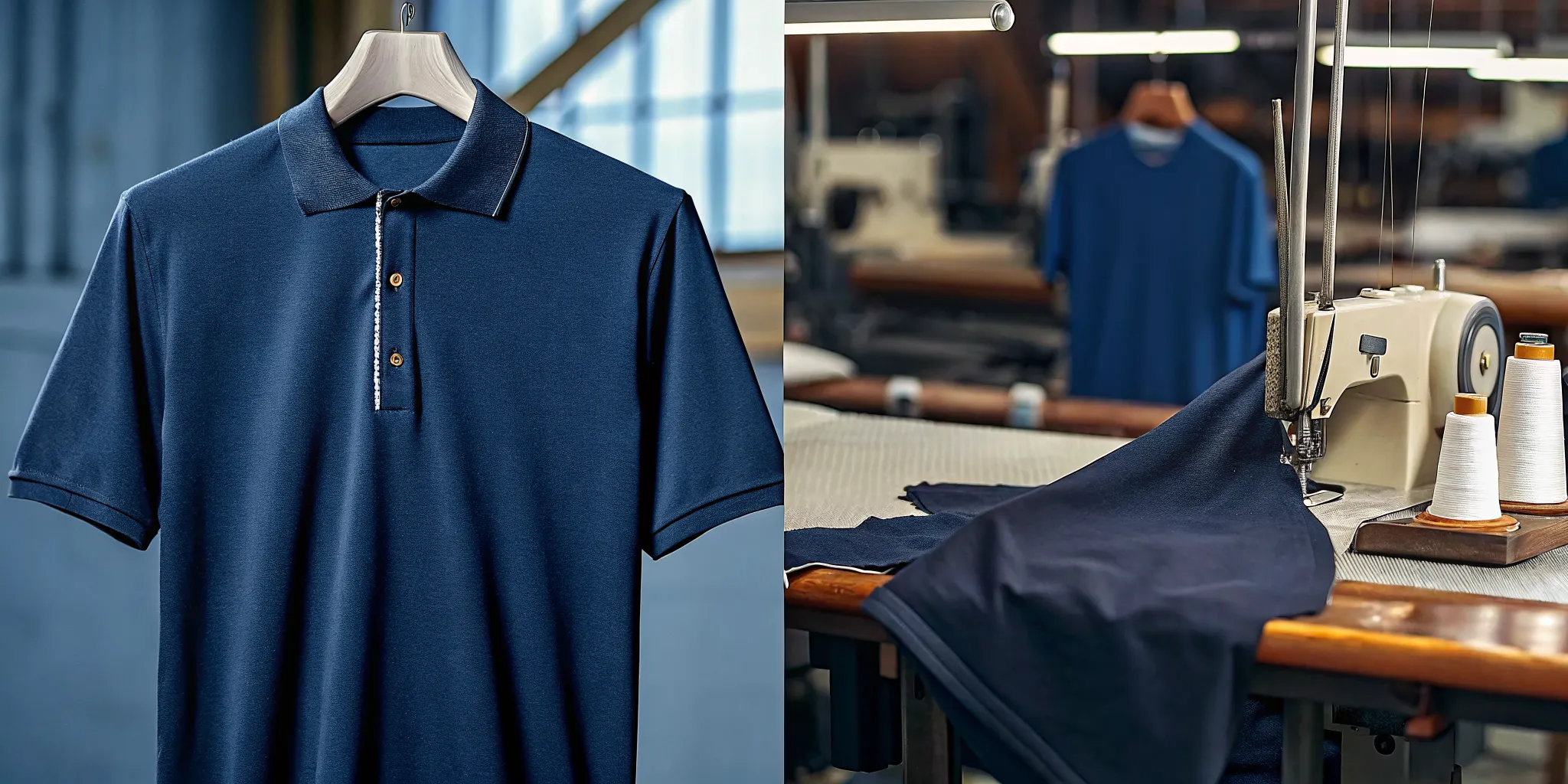
Which method fits the garment and wearer?
The garment should narrow the choice before quantity or unit economics enter the conversation. Embroidery needs enough structure to support repeated needle penetrations and the finished stitch field. Screen printing needs a surface and fabric blend that can accept the selected ink system and curing process. Comfort, placement, and actual wear conditions matter as much as appearance.
Structured apparel and accessories
Embroidery is a natural fit for pique polos, woven shirts, jackets, vests, caps, beanies, and sturdy bags. A compact left-chest or cap logo creates a polished result that feels appropriate in client meetings, sales environments, conferences, and executive programs. Thread also gives a simple mark depth and light reflection that can raise its perceived quality.
The tradeoff is physical weight. Dense stitching over a broad area can stiffen a garment, distort lighter fabric, or feel uncomfortable against the body. Backing, thread type, digitizing, garment construction, and placement must work as a system. Procurement teams should ask for a decorated sample when the garment is lightweight, stretchy, waterproof, or otherwise technically demanding.
Casual apparel and larger graphics
Screen printing is often the better fit for cotton and blended T-shirts, fleece, hoodies, and totes, especially when the design covers a large front or back area. It allows teams to use the garment as a broad creative canvas without building a heavy field of thread. Ink choice can also be adjusted for opacity, softness, stretch, and the fabric underneath.
Large prints still require judgment. A broad, heavy ink deposit may reduce breathability or feel rigid. Seams, zippers, pockets, and garment texture can interrupt print consistency. Marketing teams should review the artwork at intended size and discuss the desired hand feel, not simply approve a logo file in isolation.
How should artwork complexity guide the choice?
Choose the process that can preserve the most important parts of the brand mark at the intended size. Embroidery rewards simplified shapes, deliberate line weights, and readable lettering. Screen printing supports larger compositions, finer graphic elements, and halftone effects, but every added color separation or specialty ink changes the production plan.
Digitizing artwork for embroidery
An embroidery file is not merely a resized logo. Digitizing defines stitch direction, density, underlay, sequence, and how the machine travels through the design. Those choices affect edge quality, small-letter readability, fabric stability, and overall texture. A skilled production team may recommend enlarging text, simplifying a fine detail, or changing a filled area to protect the identity of the mark.
Embroidery is especially effective when the logo has a compact silhouette and a clear hierarchy. It can be less suitable for photographic imagery, smooth gradients, or very large filled areas. Before committing, ask which details will be preserved, modified, or omitted in the stitch interpretation.
Separating artwork for screen printing
Screen printing translates artwork into one or more color separations. Each separation helps determine screens, ink applications, registration, and production setup. Spot-color artwork is usually direct to plan. Gradients and complex illustrations may be reproduced through halftones or other separation techniques, subject to fabric, print size, and production capability.
A print that looks excellent on a white cotton shirt may require a different approach on dark fabric or performance material. Underbase ink, curing tolerance, fabric migration, and color matching all influence the result. Treat the approved print specification as part of brand governance, particularly when the same campaign will be produced across multiple garments or over several ordering cycles.
How do durability and perceived quality compare?
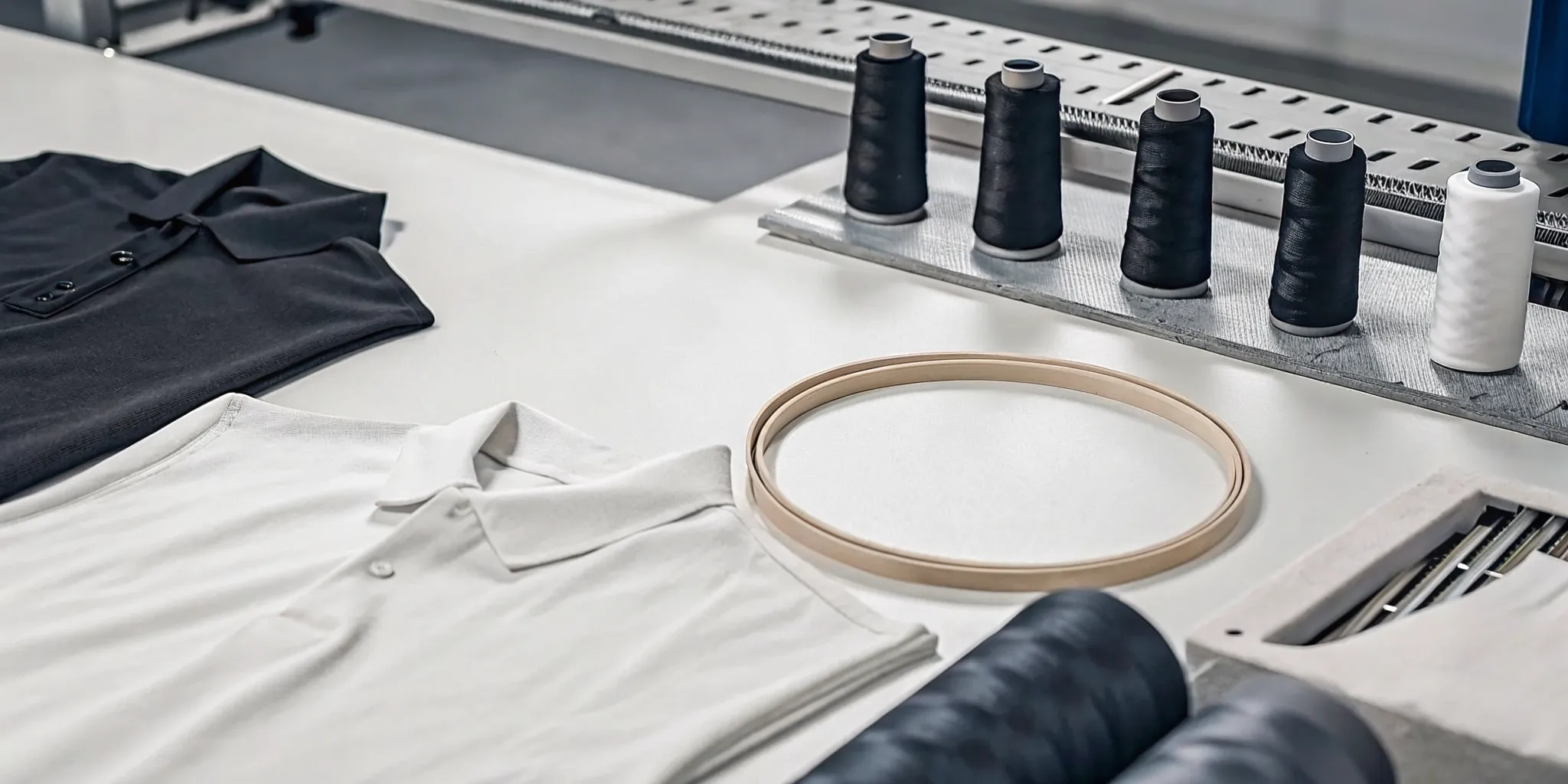
Embroidery is highly durable because thread is integrated with the garment, while a well-specified and properly cured screen print can also withstand repeated wear. The practical difference is not simply stitched versus printed. Fabric, production quality, laundering, design coverage, and intended use determine how each decorated item performs over its service life.
Plan around the wear cycle
Uniforms worn weekly need a different specification than shirts distributed for a single event. For high-rotation garments, ask how the fabric, decoration, and care instructions work together. An embroidered logo may retain its shape and color well, but the surrounding garment still needs to handle the same wash cycle. A screen print may perform reliably for years when its ink and cure are matched to the textile and users follow care guidance.
Durability should also include replacement consistency. If new hires receive the same apparel throughout the year, confirm that the garment, thread colors, ink formulas, and approved decoration files can be reproduced. This is where an integrated merchandise program is more valuable than a one-off order. Brand Vessel’s broader merchandise, company store, and logistics services can support that operational continuity.
Match perceived quality to the moment
Embroidery often signals formality and permanence, which makes it effective for leadership gifts, customer-facing teams, premium outerwear, and structured uniforms. Screen printing can communicate energy and creativity, making it effective for launches, conferences, culture programs, recruiting, and community events. Neither impression is inherently more valuable. The right one reinforces the intended experience.
A helpful decision test is to imagine the employee opening the package and deciding when to wear the item. If it belongs in a meeting or on a client visit, a restrained embroidered mark may be appropriate. If it belongs at an event or in a casual weekly rotation, a well-designed screen print may earn more use. Review Brand Vessel’s selected merchandise work for examples of how product and decoration choices support different brand moments.
Build a corporate apparel program with Brand Vessel’s team
How do order size and program economics affect the decision?
Order quantity matters because each process has different setup and production drivers. Screen printing commonly becomes more efficient as a run grows, while embroidery economics are strongly influenced by stitch count and run time. However, procurement teams should compare the complete program cost, including samples, garment quality, reorders, inventory risk, fulfillment, and replacement needs.
Evaluate cost drivers instead of chasing a fixed price
Fixed price comparisons are rarely useful without a defined garment and artwork specification. For embroidery, a larger or denser design generally requires more machine time. For screen printing, additional colors and print locations generally add setup and production requirements. Garment brand, fabric, size range, packaging, shipping, and schedule can affect either method.
Ask vendors to quote the same decision brief: garment, sizes, artwork, decoration size and location, quantity, delivery destinations, packaging, and required date. That creates a defensible comparison for procurement and reduces surprises after creative approval. It also helps marketing and HR understand which requested changes alter the operating plan.
Consider the ongoing merchandise program
A company store or recurring employee program may use both methods across a coordinated assortment. Embroidered polos, hats, and outerwear can support leadership and customer-facing teams. Screen-printed tees and hoodies can support events, campaigns, and broader distribution. Shared color standards and artwork rules maintain brand consistency while each product uses the method that suits it best.
Inventory strategy matters too. A large campaign run may favor a highly planned screen-print order. An ongoing store may need a different reorder rhythm across several products. Teams that want one partner across creative decoration, company stores, kitting, fulfillment, and distribution can explore Brand Vessel’s custom apparel capabilities for business.
A five-step decoration decision framework
A practical decoration brief aligns creative, procurement, and program operations before production begins. Use the following five steps to make the embroidery vs screen printing decision transparent. The framework also gives your merchandise partner enough context to recommend a process, flag tradeoffs, and prepare a relevant sample.
- Define the audience and moment. Identify who receives the apparel, when they will wear it, and what impression the item should create.
- Select the garment before finalizing decoration. Confirm fabric, construction, weight, color, size range, and likely decoration areas.
- Rank the artwork priorities. Decide which colors, details, dimensions, and placements are essential and where adaptation is acceptable.
- Model the complete program. Include initial quantity, potential reorders, storage, individual shipping, deadlines, and replacement consistency.
- Approve a physical sample. Evaluate appearance, comfort, scale, placement, and construction on the actual garment before the full run.
This process also creates a record future stakeholders can use. Instead of reopening the same debate for every order, teams can maintain approved garment-decoration combinations and deploy them with confidence. If service and collaboration are important to that process, learn more about Brand Vessel’s customer-first approach.
Frequently asked questions
Is embroidery or screen printing better for work uniforms?
Embroidery is often the stronger fit for structured polos, jackets, and hats used as uniforms because it creates a dimensional, professional finish. Screen printing can be the better choice for lightweight uniform T-shirts, large graphics, or programs that need many pieces with consistent artwork.
Which method works better for detailed logos?
The answer depends on the kind of detail. Screen printing can reproduce fine lines, larger graphics, and halftone effects more naturally. Embroidery works best when artwork can be digitized into clean shapes, readable lettering, and practical stitch areas without making the garment too heavy.
Does embroidery last longer than screen printing?
A well-produced embroidered design is highly durable because thread is stitched into the garment. A properly cured screen print can also perform well for repeated wear, but its lifespan depends more on ink system, fabric, curing, and care. The garment itself may wear out before either decoration when specifications are chosen carefully.
Can one corporate apparel program use both methods?
Yes. Many effective programs use embroidery for executive apparel, polos, caps, and outerwear, while using screen printing for event shirts, campaign merchandise, and large casual graphics. A shared artwork and color standard keeps the brand consistent across both decoration methods.
Start your corporate apparel project
The best decoration choice turns a logo into apparel people want to wear and a program teams can manage. Brand Vessel brings creative decorating, merchandise expertise, company stores, kitting, fulfillment, and global distribution together for corporate teams that need more than a one-time print order.