
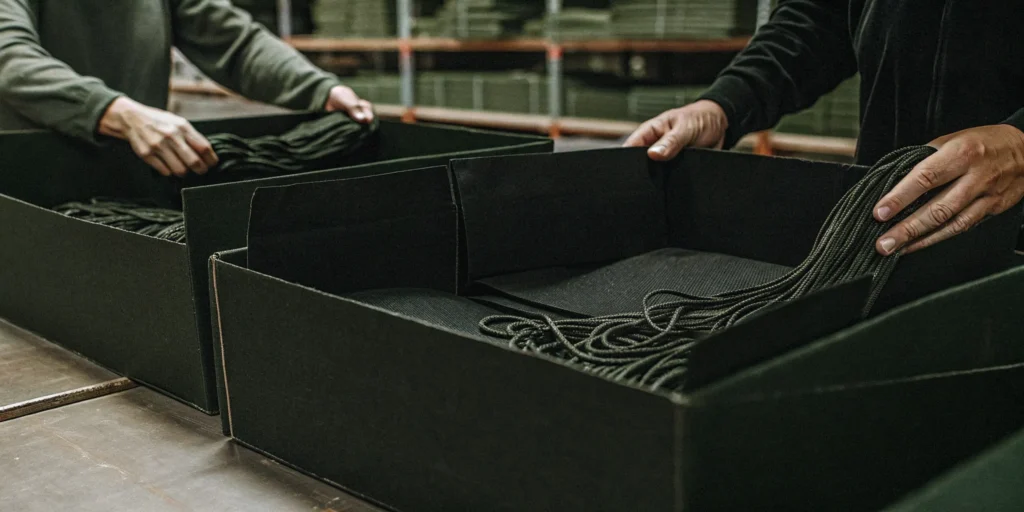
Event swag succeeds or fails before attendees ever see the box. Product selection, quantities, branding, assembly, address collection, and delivery windows must work together, especially when one event serves multiple locations or a firm arrival date.
Planning Event Swag Kits Under a Deadline
Swag kitting for corporate events combines merchandise planning with coordinated assembly, quality checks, packing, and shipping. The most reliable approach starts with the attendee experience and works backward through quantities. Kit components, deadlines, and delivery requirements, with contingency plans for changes that could disrupt the event.
That operational discipline is the foundation of effective corporate kitting. Before choosing products, establish the deadline, available options, and decisions that need to be locked first.
A firm event date does not mean every merchandise decision belongs at the last minute. Early coordination expands product options, customization choices, and pricing opportunities, according to Arizona State University’s event guidance. It also gives procurement and creative teams time to resolve approvals before production begins.
Set the decision deadlines first
Work backward from the date kits must be in attendees’ hands, not merely the date the event opens. Establish a wrap-up date several business days before delivery so there is room to inspect cartons, correct shortages, and respond to carrier or production issues. Then assign owners for the merchandise brief, artwork approval, purchase order, assembly, and final distribution.
- At project launch: Confirm attendee volume, destinations, budget range, kit contents, brand requirements, and the true delivery deadline.
- Before ordering: Approve decoration methods, colors, sizes, packaging, quantities, and a backup item or supplier.
- During production: Confirm inventory, monitor milestones, and validate that the approved assortment is moving toward assembly.
- Before the wrap-up date: Complete a sample review, pack-out check, address validation, and shipment confirmation.
Build the quantity and budget around constraints
Do not assume every item can be ordered in the same quantity. Bulk minimum order quantities can vary by product, with examples ranging from 12 to 150 units in current kit listings at Crestline. Compare the minimum against the confirmed attendee count, expected additions, replacements, and any separate executive or speaker allocation.
Budgeting should also account for tiered pricing. Cost can change with product complexity, branding method, and total quantity. So a slightly different item or decoration approach may protect the budget without reducing the perceived value of the kit. Ask for pricing at the likely quantity and at one practical volume tier above it before final approval.
Protect the schedule with a Plan B
Event logistics require resilience and backup planning, not just a single ideal delivery path. MIT event-planning guidance specifically recommends “Plan B” thinking for complex logistics. Identify which items can be substituted, which components can ship separately, and who can approve a change quickly if inventory, production, or transportation shifts.
A rolling milestone schedule turns a deadline into manageable decisions. Review progress at each handoff, keep the wrap-up date fixed, and escalate slippage as soon as it appears. This approach gives Brand Vessel or another merchandise partner enough visibility to protect quality while keeping the event team focused on the attendee experience.
What to Include in an Event Kit for Attendees
A well-designed attendee kit balances usefulness, brand visibility, and the practical demands of the event. The strongest assortments give recipients several items they will use after the event, rather than filling a box with disconnected giveaways. The right mix also depends on the audience, event format, season, and whether kits are handed out onsite or shipped in advance.
Build around useful, reusable items
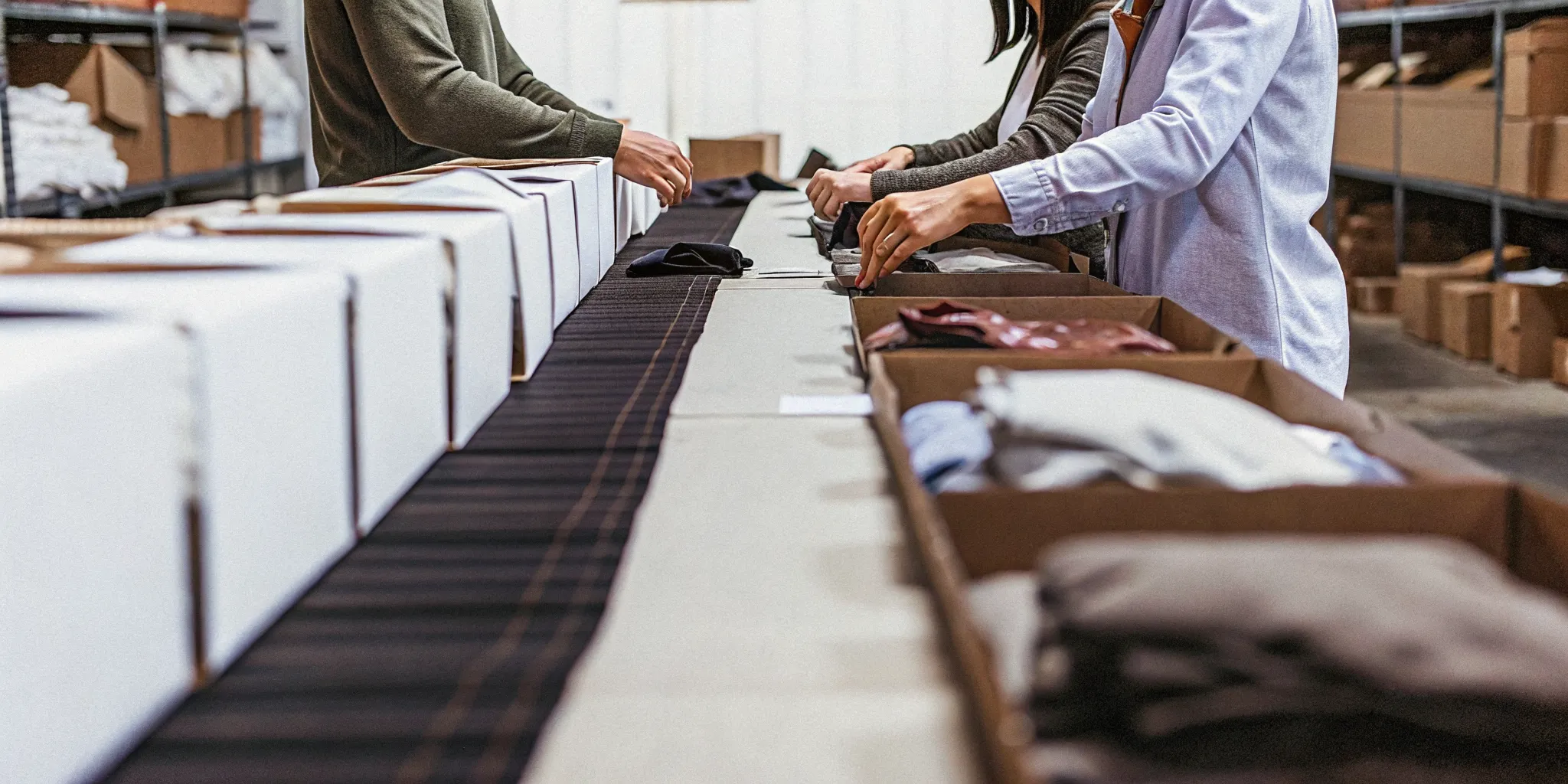
Start with products that support the attendee’s daily routine. High-utility items are more likely to be used repeatedly, which can extend engagement beyond the event itself. Guidance from Arizona State University identifies apparel, tech accessories, and reusable lifestyle products such as water bottles and tote bags as common promotional choices.
- Apparel: T-shirts, polo shirts, lightweight outerwear, or event-specific layers, selected with sizing and climate in mind.
- Tech accessories: Charging accessories, cable organizers, laptop sleeves, or other compact items that support work and travel.
- Reusable lifestyle items: Water bottles, tote bags, notebooks, and similar products with practical value after the event.
- Event essentials: Name badges, lanyards, pens, agendas, or other materials attendees need to navigate the experience.
- Welcome or follow-up materials: A concise note, resource card, or next-step prompt that connects the kit to the event objective.
Make the assortment feel intentional
Group the contents around a clear attendee experience. For example, a conference kit might pair a polo shirt with a tote, notebook. And charging accessory, while an employee-facing customer event could use premium outerwear and travel-oriented items. A swag box can also be customized to an event theme, creating a more cohesive presentation across the contents, packaging, and supporting materials. Keep the number of products manageable so each item has a defined role.
Protect brand consistency during production
Every item should follow the applicable brand guide for logo placement, colors, fonts, and wordmarks. ASU’s promotional-item guidance specifically directs planners to follow brand standards for consistent usage. Before production, confirm artwork, decoration methods, color specifications, and approval ownership for every product. This is also where corporate kitting adds value: a documented assembly plan helps ensure each attendee receives the approved assortment in the intended order and presentation.
Brand Vessel can help procurement and event teams translate the event brief into a practical kit, from product selection and decoration through coordinated assembly. The goal is not the largest box. It is a consistent, useful attendee experience that reflects the organization well.
Shipping Event Kits Globally vs. Locally
Shipping strategy should follow the attendee map, event schedule, and amount of control your team needs. Local delivery can simplify a single-city event, while global inbound shipping may be appropriate when merchandise is produced centrally or attendees are spread across multiple countries. The right approach balances delivery timelines, assembly speed, and geographic coverage rather than treating freight as an afterthought.
| Consideration | Local delivery | Global shipping |
|---|---|---|
| Lead time | Often supports shorter delivery windows to one venue or nearby attendee group. | Requires earlier coordination for production, consolidation, transit, customs, and final-mile delivery. |
| Cost | Can reduce distance and simplify final-mile routing when recipients are concentrated. | May add international freight, duties, taxes, and country-specific delivery costs. |
| Customs | Usually avoids cross-border customs clearance within the delivery market. | Requires accurate documentation, classification, and coordination with customs authorities. |
| Risk | Fewer handoffs can make tracking and recovery more straightforward. | More handoffs and border dependencies require contingency planning and shipment visibility. |
| Best use | Single-location conferences, regional meetings, or kits assembled near the venue. | Distributed teams, multi-country events, or centrally sourced merchandise serving several markets. |
When local delivery is the practical choice
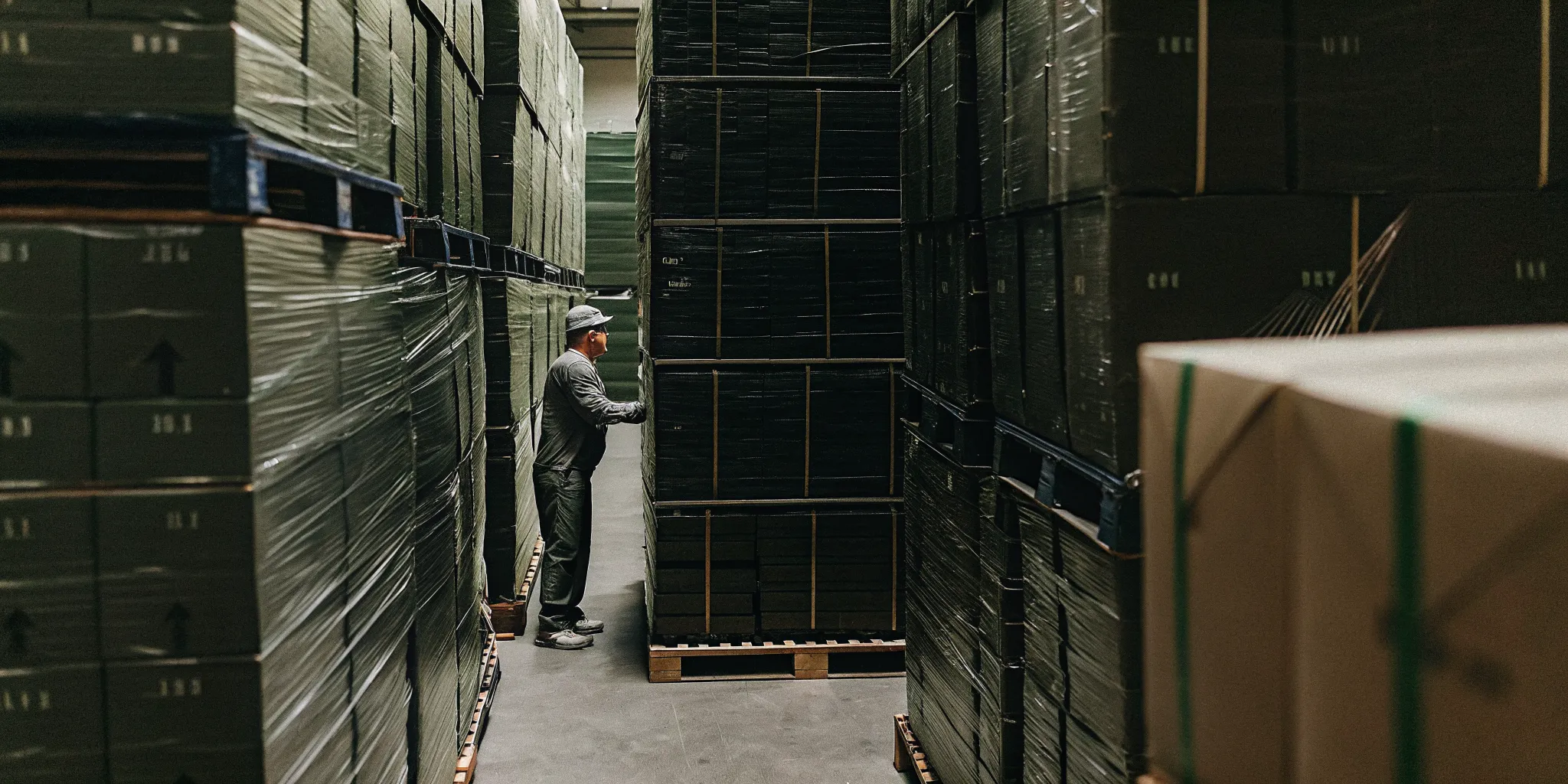
For a conference in one city, sending completed kits to the venue or a nearby staging point can reduce transit complexity. A logistics partner can receive, store, and organize promotional materials before the event, then release them according to the venue schedule. That storage step matters when merchandise arrives well before registration opens, because it keeps boxes out of the event team’s workspace and makes final counts easier to verify. Event material management commonly includes systematic organization and distribution of event goods, not just transportation. Learn more about event material management.
When global distribution needs tighter coordination
Global distribution is more demanding because kits may need to cross borders, clear customs, and reach attendees in different time zones. MIT’s event logistics guidance emphasizes managing the full chain of work, including global distribution and local logistics, so materials arrive when needed. Brand Vessel’s in-house customs brokerage adds a practical layer of control for international shipments, helping teams coordinate documentation and border requirements alongside kitting and fulfillment. Build a contingency plan for delayed clearance, address changes, or uneven attendee geography before boxes leave the warehouse.
For multi-market programs, a hybrid model may be strongest: consolidate and assemble centrally, then use local or regional fulfillment points for final delivery. That preserves consistency across kits while reducing unnecessary cross-border movement. The decision should be made during planning, when there is still time to compare routes, storage needs, and recovery options. A dedicated Branded Merchandise Warehousing Storage: Complete Guide can help procurement teams assess the storage and inventory controls required before event materials move.
How to Handle Last-Minute Event Kit Changes
Late changes are normal in event operations, but they become expensive when every request triggers a new packing decision. A controlled change process protects the base plan, gives stakeholders visibility, and keeps the fulfillment team working from one current source of truth. It also creates the resilience and Plan B thinking that event logistics require, especially when delivery timing is tight. MIT event logistics guidance identifies strong project management, attention to detail, and backup planning as essential to this work.
-
Freeze the base plan
Set a clear cutoff for the approved kit configuration, including item assortment, quantities, decoration specifications, destinations, and ship dates. Once frozen, treat the base plan as the version that will move forward unless an authorized change replaces it. This prevents informal edits from creating conflicting instructions across procurement, assembly, and shipping.
-
Maintain a single change queue
Record each late request with an owner, timestamp, affected SKU, quantity, destination, reason, and required decision. A centralized platform can streamline kit building, packing, and shipping while making the current status easier to manage. It also helps the team distinguish a true operational change from a preference that can wait until the next event cycle. Platform-based kitting solutions are designed around this kind of coordinated workflow.
-
Batch late edits into priority waves
Do not interrupt the line for every individual request. Group approved changes by urgency, destination, or SKU, then process them in waves. Prioritize kits headed to the earliest event or locations with the least recovery time. This is particularly important because complexity rises as the number of different SKUs in each kit increases, making ad hoc handling more prone to error.
-
Re-QC every affected kit
After a change, verify the complete assortment, not only the item that was edited. Quality control during packing should confirm that every box contains the correct branded gear, quantity, version, and destination label. Keep the affected kits separate until the revised check is complete, and document the result so customer-facing teams can answer questions confidently. Integrated kitting workflows commonly include packing-stage quality checks for this reason.
-
Ship with documented fallback options
When timing no longer supports one uniform shipment, use priority waves, alternate carriers, local replenishment, or a revised delivery sequence where appropriate. Confirm the tradeoff with the event owner before release, then communicate what changed and which kits are covered. The objective is not to hide disruption. It is to preserve the attendee experience through a documented, accountable response.
For complex programs, a logistics partner can provide the project controls, inventory coordination, and packing oversight needed to absorb change without losing accountability. That structure lets event teams respond quickly while keeping the approved customer experience intact.
Measuring the Impact of Event Kitting on Brand Recall
A well-designed event kit should do more than create a positive moment at registration or in a conference room. It should give attendees useful, recognizable reminders that continue to connect the experience with your organization after the event ends. Research from Arizona State University notes that promotional items can build awareness, increase engagement, and leave a lasting reminder of an event.
That makes merchandise part of attendee experience management, not an afterthought. MIT’s event-planning guidance includes branded merchandise and speaker gifts within the broader logistics of managing an event experience. A cohesive kit reinforces that experience through coordinated colors, packaging, and item selection. High-quality, durable merchandise also reflects the standards attendees associate with the brand, while disposable or poorly made items can weaken that association.
Connect the kit to a measurable action
Give the kit a clear relationship to the event’s next step. A QR code can lead to a resource page, product demonstration, meeting request, or post-event survey. A trackable landing page or unique offer code makes it easier to distinguish engagement from general website activity. If attendees receive different kits by audience or session, separate links and codes can show which experience generates the strongest response.
Track recall and response together
Immediate engagement is useful, but brand recall often appears later. Send a short survey after the event and ask whether respondents remember the kit, which item they still use, and which company they associate with it. Compare those answers with QR scans, social mentions, offer-code redemptions, meeting requests, and repeat inquiries over an agreed reporting period. The goal is not to claim that merchandise caused every conversion. It is to identify whether the kit supported recognition and meaningful follow-up.
- Recall: unaided and aided brand recognition in post-event surveys.
- Engagement: QR scans, landing-page visits, social mentions, and content downloads.
- Action: offer-code redemption, meeting requests, demo registrations, and repeat inquiries.
- Durability: reported continued use of apparel, drinkware, tech accessories, or other high-utility items.
Review the results by event, audience, kit version, and distribution channel. Over time, that comparison helps Brand Vessel and its clients invest in items and experiences that remain useful, recognizable, and aligned with the purpose of the event.
Why Swag Kitting for Corporate Events Needs a Logistics Partner
As event programs grow, the work behind each kit becomes more complex than selecting products and placing an order. Multiple SKUs, custom packaging, assembly requirements, inventory levels, delivery destinations, and event deadlines all have to stay aligned. A logistics partner gives the program structure needed to manage those details without pulling the planning team away from attendee experience and event strategy.
One connected workflow from concept to delivery
Platform-based swag solutions are designed to connect merchandise design, fulfillment, and distribution in one operating workflow. They can streamline the steps involved in building, packing, and shipping kits, reducing the number of manual handoffs an internal team must coordinate. That matters when a kit includes apparel, accessories, printed materials, and other components that must arrive together and meet a consistent presentation standard.
Technology also improves visibility. Real-time inventory information helps organizers understand what is available, what has been allocated, and when replenishment may be necessary. Instead of discovering a shortage during final packing, the team can make an informed adjustment while there is still time to source an alternative or revise quantities. These capabilities are among the reasons unified swag platforms emphasize inventory and fulfillment management alongside product selection (SwagUp).
What an enterprise logistics partner manages
Brand Vessel supports the physical and operational requirements that turn a merchandise concept into a finished event experience. Its end-to-end kitting capabilities include custom packaging design, assembly, fulfillment, and distribution, with support for both bulk shipments to event locations and individual shipments to recipients. Its Branded Merchandise Services & Company Stores connect those operating details to the broader merchandise program.
- Packaging and presentation: Custom packaging helps the kit feel intentional and supports a cohesive brand experience.
- Assembly and quality control: A standardized process helps verify that each kit contains the correct assortment before it leaves the facility.
- Storage and inventory coordination: Organized fulfillment operations reduce the physical overhead of holding and preparing event materials.
- Distribution: Coordinated shipping supports local, national, and international delivery requirements, including customs considerations where applicable.
Professional fulfillment minimizes the time planners spend on counting, packing, labeling, and troubleshooting shipments, allowing them to focus on event goals and stakeholder experience. For enterprise programs, Brand Vessel is not simply a source for branded products. It acts as an extension of the team, connecting merchandise, packaging, inventory, and distribution into a more dependable event operation.
Frequently Asked Questions
What are some good swag ideas for corporate events?
Choose useful items attendees can use during and after the event, such as quality apparel, notebooks, water bottles, tote bags, and practical tech accessories. A balanced kit can combine one visible brand item with several everyday products, while colors and decoration should follow the event’s approved brand guidelines.
How much swag should you order for an event?
Start with the confirmed attendee count, then account for speakers, staff, VIPs, late registrations, replacements, and any kits needed for remote participants. Product minimums can also affect the order plan. For example, listed minimum quantities for kit components may range from 12 to 150 units depending on the product, so confirm requirements before finalizing the assortment: Crestline kit examples.
How do you build custom event swag kits?
Define the audience, event purpose, budget, quantity, delivery locations, and deadline first. Then select the item mix, approve artwork and samples, confirm inventory, set a packing sequence, and establish quality checks. A logistics partner can assemble each kit consistently, store components before the event, and coordinate shipments to the required destinations.
Why use personalized swag kitting for corporate events?
Personalization can make kits more relevant to different attendee groups, locations, or event roles while keeping the overall brand experience consistent. It may involve varied apparel sizes, role-specific inserts, regional shipping configurations, or individually addressed packages. The key is to define the variations early so they do not create avoidable packing or delivery errors.
Start Your Event Kitting Project
Event swag requires more than selecting products. A clear kitting and fulfillment plan can help align quantities, assembly, packing, and delivery with the attendee experience you want to create. To discuss your event requirements with Brand Vessel, Start a Project and share the event date, audience, destinations, and kit concept. The team can help you define a practical path from merchandise selection through delivery.